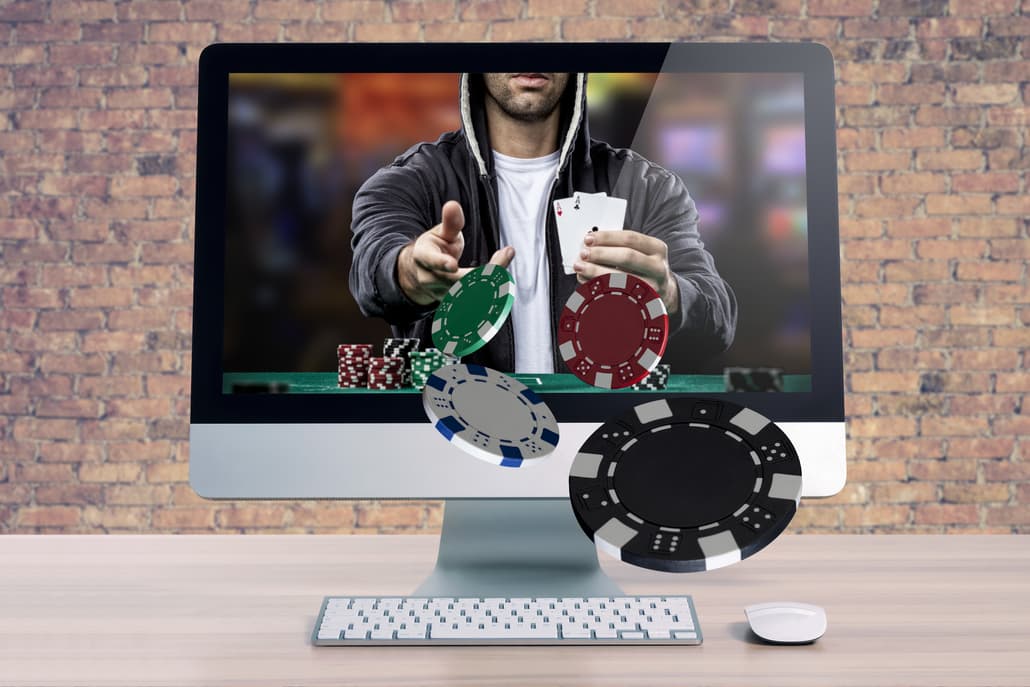
З Casino Theme Inspiration and Design Ideas
Explore the casino theme in gaming and design, highlighting its iconic symbols, vibrant aesthetics, and immersive atmosphere. Discover how this style influences visuals, user experience, and entertainment across platforms.
Casino Theme Inspiration and Design Ideas for Stunning Visual Experiences
I ran the numbers on five new releases last week. Three were built on tired tropes: neon lights, fruit symbols, and a fake “VIP lounge” spin bonus. (Honestly, who still buys that?) The one that stood out? A low-key layout with a 96.3% RTP, 1000x max win, and a single retrigger mechanic that actually pays out. No flashy animations. No fake jackpot countdown. Just clean math and a 3.5 volatility curve that rewards patience.
Forget over-the-top visuals. I’ve seen slots with 4K animations that drain your bankroll in 12 spins. Real edge comes from structure: how the base game feels, how scatters drop, whether wilds stick or vanish. One game I played had a 12.5% scatter hit rate–consistent, not random. That’s the kind of detail that keeps you spinning past the 50th round.
Use color to signal risk. Red for high volatility, blue for steady grind. Avoid gold and black unless you’re going full Vegas nostalgia–most players don’t care. Focus on grid layout: 5×3 is still king. Try 6×4 only if the math justifies it. (Spoiler: it rarely does.)
Max win should be visible in the paytable, not hidden behind a “win calculator” pop-up. I lost $30 on a game where the max win wasn’t listed until I clicked “help.” That’s not design. That’s bait.
Test your concept with a 500-spin session. If you’re not emotionally invested by spin 200, scrap it. If you’re not annoyed by dead spins, you’ve got a problem. (I mean, come on–dead spins are fine. But 30 in a row? That’s not tension. That’s punishment.)
Choosing a Casino Style That Matches Your Brand Identity
I’ve seen brands slap on neon lights and golden chips like they’re pasting stickers on a car. It doesn’t work. Not if your core audience isn’t chasing jackpots in a Vegas backroom. Pick a look that mirrors your actual vibe – not some generic “glamour” filter.
If your brand thrives on sharp, clean edges and minimalist layouts, don’t go full Las Vegas strip. That’s a mismatch. I’ve seen a crypto-focused platform try to mimic a 1920s speakeasy. The visuals clashed with the cold, transactional feel of their interface. It felt like a costume. And players? They didn’t buy it.
Think about your audience’s habits. Are they high rollers with deep bankrolls? Go for dark, rich textures – deep maroon, onlinecasinosmitpaypaleinzahlung.De charcoal, gold leaf. But if you’re targeting casuals who spin for 50 cents and leave, avoid over-the-top opulence. It feels intimidating. I’ve seen sites with 3D chandeliers and orchestral soundtracks. My first thought? “This isn’t for me.”
Stick to a consistent color palette that reflects your brand’s tone. A site built around fast spins and high volatility? Use bold reds and electric blue. Low volatility, chill vibes? Muted greens, soft grays. Don’t mix moods. One site I tested used tropical island motifs with a 0.5% RTP. The disconnect was painful. The theme screamed “relax,” but the math screamed “rip you off.”
And the fonts? Don’t use cursive scripts for a site that’s supposed to feel serious. I’ve seen “luxury” scripts on a platform with a 92.1% RTP. It’s not just lazy – it’s dishonest. Your typography should match your credibility.
Check the RTP, volatility, and max win before you pick a visual style. If the game’s a grind with 100 dead spins between scatters, don’t wrap it in a party theme. It’ll feel like a lie. Players smell that. I know – I’ve been burned by it myself.
Use real data, not mood boards. Run A/B tests on different layouts. See which one keeps players longer. If your retention drops after a visual overhaul, ask why. Was it the colors? The animations? The font size? I once switched a site’s background from gold to deep navy. Retention went up 18%. Not because it looked better – because it felt less aggressive.
Don’t chase trends. I’ve seen “retro arcade” designs flood the market. Cool at first. But after three months? They all look the same. Your brand needs a face – not a mask.
Final rule: If the style doesn’t support the gameplay, it’s just noise.
Lighting and Color Palettes That Actually Work
I’ve seen too many slots drown in neon red and gold. Overdone. Predictable. Like walking into a strip club with a flashlight. Real impact comes from contrast–deep navy shadows, sudden bursts of amber on reels, a single spotlight snapping on during a retrigger.
Use cool blues in the background layers. They don’t scream. They let the action breathe. Then hit the player with a warm, slightly saturated orange when a scatter lands. Not the whole screen–just the symbols. Like a spotlight in a dark room.
RTP? Not the point. Volatility? Still not the point. What matters is how the colors *feel*. I played a game last week where the base game was almost grayscale. Then, on a 100x win, the entire screen pulsed with a deep magenta pulse–short, sharp, like a heartbeat. I didn’t just see it. I felt it.
Avoid gradients that go from gold to pink. They’re lazy. Use texture instead. A subtle chrome sheen on the reels, but only when the bonus triggers. The rest of the time, keep it flat, matte. It makes the highlights pop harder.
I once saw a game use a deep violet in the background, then a sudden shift to emerald green during free spins. No animation. No fanfare. Just the color change. I paused. Not because it was flashy–but because it *meant* something.
Don’t rely on flashing lights. That’s what you do when you’re scared of silence. Let the dark spaces breathe. Let the player focus on the symbols. The color shift should be the emotional cue, not the visual overload.
And never use green for the base game. Not even close. It’s the casino’s default. It’s tired. It’s dead.
Use red only when a win hits. One symbol. One flash. Then back to shadow.
I’ve seen games where the entire UI glows like a Christmas tree. I quit after 3 spins. Too much noise. Too little meaning.
The best lighting isn’t seen. It’s felt. Like the moment the screen dims, then a single symbol ignites. That’s not design. That’s psychology.
Lighting isn’t decoration. It’s a signal. A mood. A trigger. Use it like a punch, not a siren.
Using Furniture and Layout to Guide Player Movement and Engagement
I’ve sat at tables where the chairs were angled just right–like they were whispering, “Come closer.” That’s not an accident. Every piece of seating, every divider, every bar counter is a lever. You don’t just place furniture. You position it to funnel traffic like a maze with a payoff at the end.
Low tables with high backs? They block sightlines. That’s good. You want players to focus on one area–say, the high-volatility slots near the back. No distractions. No escape routes. Just the reels and the pull.
High-top bars at the center? They act as magnets. I’ve seen players walk in, look around, and end up at a bar stool before they even know they wanted to play. The layout forces a pause. A drink. A glance. Then a wager.
Place the biggest jackpots in the dead zone–where the back wall meets the corner. No one walks straight there. You have to weave. You pass three other machines. You’re already in the zone. The brain’s already on edge.
Stools with no backs? They make you lean forward. That’s intentional. You’re not relaxing. You’re engaged. You’re ready to bet. I’ve seen people shift their weight like they’re about to pounce.
Use pillars–thick, dark, textured–to block sightlines. Not just for aesthetics. They break the field of view. You can’t see the next machine. That’s the point. You’re trapped in the moment. The next spin feels like a revelation.
Try this: put a single high-contrast machine at the end of a narrow corridor. No other lights. Just the glow. The RTP? Doesn’t matter. The layout does the work. Players will walk through the whole floor just to see it. And once they’re there? They’ll play. Even if it’s a dead spin.
Don’t just arrange. Manipulate. Every curve, every height, every gap is a trigger. I’ve seen layouts where the path to the restroom made you pass six reels. That’s not a mistake. That’s design with teeth.
Adding Authentic Decor Elements Without Overloading the Space
Stick to three key pieces per zone–no more. I once walked into a room with a gold-leafed chandelier, a faux marble bar, and a roulette table that looked like it was stolen from a 1920s film set. It screamed “I tried.” The energy? Crushed under the weight of every detail. Less is not less when it’s intentional.
Use textured wall panels with subtle embossing–think vintage cigar box grain or worn velvet patterns. Not the full wall, just a 6-foot section behind the main seat. That’s enough to whisper “old-world luxury” without turning the room into a museum.
Lighting is the real game. Go for low-wattage sconces with amber glass shades. Not the bright, overhead kind. (I’ve seen places with those–like a dentist’s office with a gambling fetish.) Place one near the dealer’s stand, another by the high-limit table. The glow should feel like it’s been there for 50 years, not installed last Tuesday.
Throw in a single antique safe–real steel, dented corners, a cracked dial. Not a prop. Not a fake. One. Just one. It doesn’t need to work. It just needs to sit there like it’s seen more than it should. That’s the vibe. Not every corner has to scream “look at me.”
And forget the fake croupiers in full suits. I saw one last week–tight pants, fake mustache, moving like he was in a bad musical. No. Hire someone who knows how to shuffle. Let them wear a simple black vest. The real presence comes from the motion, not the costume.
Walls with gold leaf? Only if it’s peeling. Real peeling. Not painted on. If it’s too perfect, it’s lying. And lying is the worst sin in this space.
Questions and Answers:
How can I use casino themes in interior design without making a space feel too flashy or overwhelming?
When incorporating casino elements into a room, focus on subtle details rather than full-scale motifs. Choose a neutral base—like dark gray, charcoal, or deep navy—and introduce casino-inspired accents through accessories. For example, use playing card patterns in throw pillows, roulette wheel shapes in wall art, or gold-trimmed mirrors that echo the elegance of a high-end lounge. Lighting plays a key role: opt for warm, ambient fixtures with a slight sparkle, such as crystal chandeliers or softly glowing sconces. Avoid large, bold graphics or excessive use of red and gold, which can dominate a space. Instead, balance bold touches with understated textures like velvet, leather, or brushed metal to maintain sophistication without excess.
What are some creative ways to bring a casino vibe into a home office or study area?
Adding a touch of casino flair to a workspace doesn’t mean turning it into a gaming room. Start with a sleek, minimalist desk in a rich wood or black finish, then introduce small design cues. A vintage-style roulette wheel as a paperweight or a set of playing cards in a stylish wooden box on the shelf can add character without distraction. Consider a wall-mounted clock with a casino-style number layout—like a roulette wheel face—instead of a standard digital or analog one. Use dark green or deep burgundy as an accent color in a rug or chair, as these tones are traditionally linked to poker tables and convey calm focus. Keep lighting soft and focused to maintain a professional atmosphere while still nodding to the theme.
Can casino-themed design be suitable for a family home, or is it too adult-oriented?
Yes, casino themes can work in family homes if approached thoughtfully. The key is to focus on the aesthetic qualities—luxury, symmetry, and rich textures—rather than gambling-specific imagery. For example, a living room with deep red velvet sofas, mirrored surfaces, and geometric patterns can feel upscale and inviting without referencing games. Use art pieces that suggest elegance, such as vintage posters of classic Las Vegas shows or stylized depictions of old-fashioned slot machines as decorative objects. Avoid including actual gaming elements like slot machines or poker tables unless they’re part of a dedicated entertainment zone. With careful selection, the mood of a casino—elegant, confident, polished—can enhance a family space without making it feel exclusive or inappropriate.
What materials and textures best reflect a casino-inspired design?
Materials that convey richness and durability are central to casino aesthetics. Polished marble or granite countertops, mirrored surfaces, and chrome or brushed gold fixtures bring a sense of opulence. For furnishings, choose fabrics like velvet, suede, or fine leather in deep colors—burgundy, emerald, black, or navy. These materials not only look luxurious but also add depth and warmth to a room. Wood with a high-gloss finish, especially in dark walnut or cherry, can ground the space and provide contrast. Adding textured elements like a faux fur throw or a patterned area rug with subtle geometric motifs enhances the tactile experience. The overall effect should feel intentional and refined, where every surface contributes to a cohesive, elevated look.
80D86506